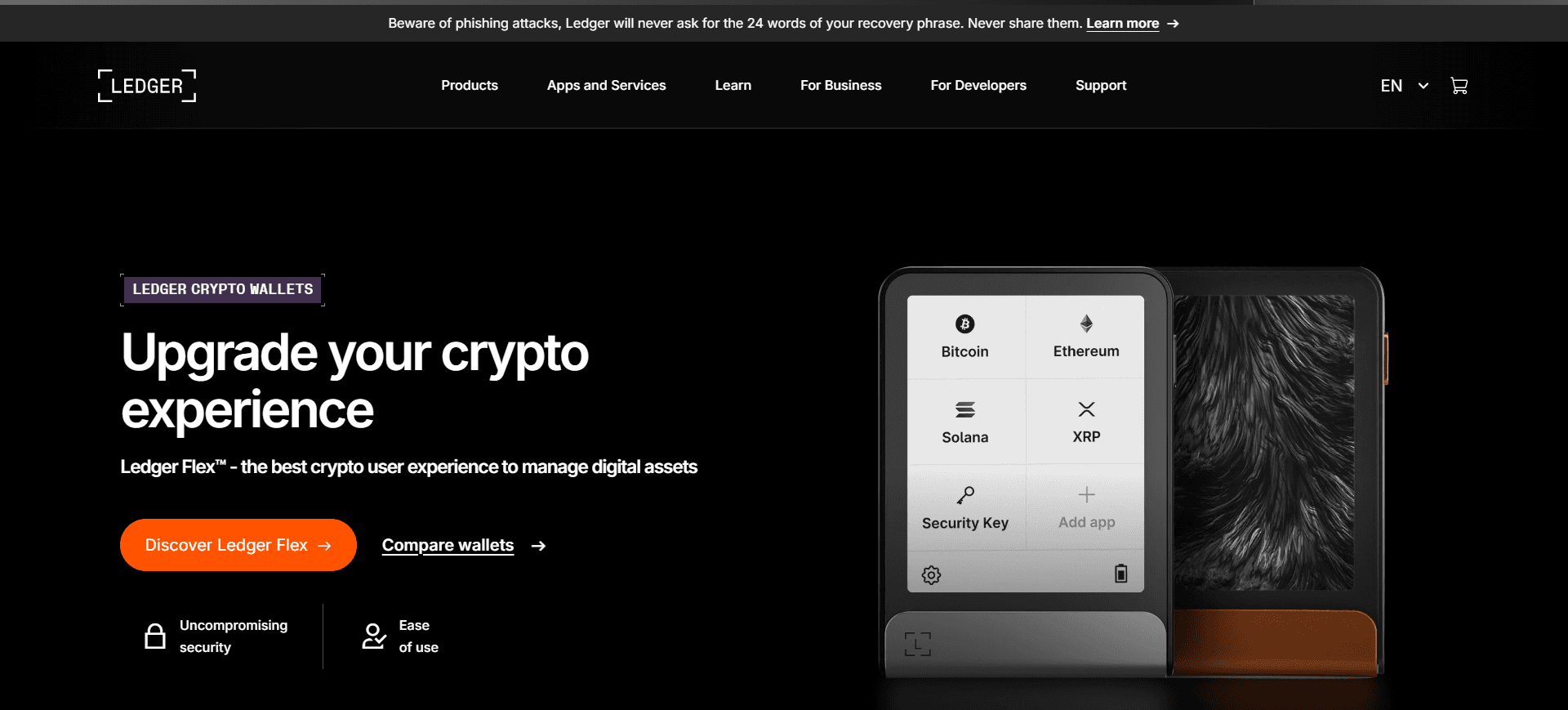
Ledger.com/start – Step-by-Step Guide to Setting Up Your Ledger Wallet
Cryptocurrency gives you full control over your money—but it also comes with responsibility. If your wallet is set up incorrectly, you risk losing access to your funds. There’s no central authority to fix mistakes or recover lost crypto.
Ledger.com/start is the official starting point for setting up your Ledger hardware wallet. It walks you through each step, ensures you use official software, and teaches the security rules you need to follow.
Step 1: Understand Why Setup Matters
Your crypto is controlled by private keys, which act like a secret password. If someone else gets your private key, they can take your crypto. If you lose it, you cannot recover your funds.
Ledger.com/start is designed to guide you safely through setup so you avoid common mistakes and keep your crypto secure.
Step 2: Know Your Ledger Device
Ledger makes hardware wallets that store private keys offline. This protects them from hacks on your computer or phone.
Current Ledger models include:
Ledger Nano S Plus
USB connection
Designed for desktop use
Supports multiple cryptocurrencies
Ideal for long-term storage
Ledger Nano X
USB and Bluetooth connection
Works with mobile devices
Built-in battery for portability
Great for people who want to manage crypto on the go
Both devices use the same security principles and setup process.
Step 3: Go to Ledger.com/start
The official website is your safest place to start. Do not download Ledger Live or follow setup instructions from third-party sites. Fake websites and apps can steal your recovery phrase or install malware.
Ledger.com/start gives you:
Verified Ledger Live download links
Setup instructions
Guidance on verifying your device
Security tips to prevent scams
Step 4: Install Ledger Live
Ledger Live is the official app for managing your Ledger wallet. You’ll use it to:
Create crypto accounts
View balances and transaction history
Send and receive crypto
Install blockchain apps on your device
Update device firmware
Track your portfolio
Remember: Ledger Live is just an interface. Your private keys always stay on your Ledger device.
Step 5: Initialize Your Device
Follow the instructions in Ledger Live to initialize your wallet:
Turn on your Ledger device
Choose a PIN code for device access
Confirm the PIN on the device
A PIN keeps your wallet safe if someone gets physical access to your Ledger.
Step 6: Record Your Recovery Phrase
Your Ledger device will generate a recovery phrase, a list of words that acts as your wallet backup.
Important rules:
Write the phrase on paper (never take a photo)
Store it in a secure, offline location
Never share it with anyone
Never enter it into websites or apps
This phrase is the only way to restore your wallet if your device is lost or damaged. Ledger will never ask for it.
Step 7: Verify Your Device
Ledger.com/start guides you through checking that your device is genuine. Using Ledger Live, you confirm:
The device is authentic
The firmware is official
The hardware hasn’t been tampered with
This protects you from counterfeit or compromised devices.
Step 8: Install Cryptocurrency Apps
Ledger supports thousands of cryptocurrencies. Use Ledger Live to install the apps for the coins you want to manage. Popular options include:
Bitcoin
Ethereum
XRP
Cardano
Solana
Litecoin
You can uninstall apps if you need more storage space on your device.
Step 9: Update Firmware
Firmware is the internal software that runs on your Ledger device. Keeping it updated ensures:
Maximum security
Compatibility with new cryptocurrencies
Protection against known vulnerabilities
Ledger.com/start explains how to safely update firmware through Ledger Live.
Step 10: Send and Receive Crypto Safely
Once your wallet is set up:
Verify addresses on your Ledger device before sending crypto
Double-check transaction amounts
Never share your recovery phrase to complete a transaction
These steps ensure you maintain full control and avoid scams.
Step 11: Learn About Scams
Ledger.com/start teaches users how to avoid fraud. Many attacks are social engineering, not technical hacks. Be aware of:
Fake Ledger emails
Imitation websites
Messages requesting recovery phrases
Urgent warnings or pressure tactics
Understanding these risks is crucial for long-term security.
Step 12: Responsibility of Self-Custody
With a Ledger wallet, you have full control of your crypto. You are also fully responsible for its security.
Ledger.com/start emphasizes:
Always verify transactions on your device
Keep recovery phrases safe
Understand that blockchain transactions cannot be reversed
Good habits protect your crypto for the long term.
Step 13: Stay Informed
Ledger regularly updates Ledger Live and security recommendations. Check Ledger.com/start for:
Firmware updates
New security tips
Guides for new cryptocurrencies
Troubleshooting resources
Staying informed helps you manage your wallet safely.
Conclusion
Ledger.com/start is the official and safest place to begin using a Ledger hardware wallet. By following the steps above:
You’ll install software safely
Protect your private keys
Learn how to manage crypto securely
Avoid scams and mistakes
Starting correctly is the most important step toward full self-custody and long-term protection of your digital assets.